 State of Montana Newsroom
MTHS Announces Public Programs for January
The Montana Historical Society’s popular public programs temporarily are moving to a new time and place.
January includes three free programs, all of which will be held from 6:30 to 7:30 p.m. at the Lewis and Clark Library, 120 So. Last Chance Gulch. The new location is needed as the Montana Historical Society’s current home is under renovation, possibly for the next two years.
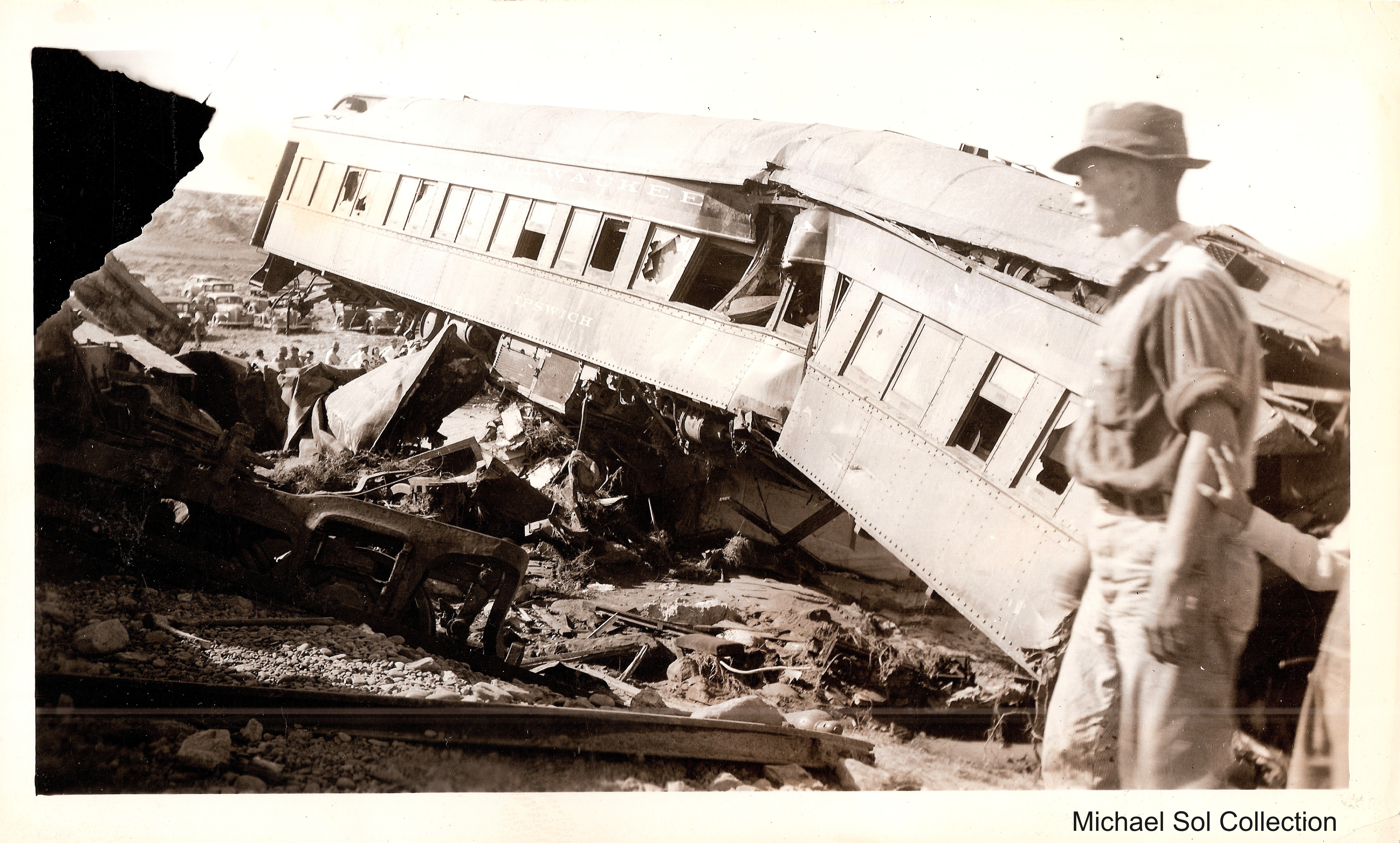
On Thursday, Jan. 12, join the MTHS for A Survivor’s Account of the Custer Creek Train Wreck by Bill Jones. He’ll recount his father’s story of surviving the horrific incident.
The train wreck, which also is called the Saugus train wreck, was the worst rail disaster in Montana history. It occurred on June 19, 1938, when a flash flood washed away the foundation of a bridge, causing it to collapse beneath the Milwaukee Road’s “Olympian” as it crossed Custer Creek, southwest of Terry, Montana. The crash killed 47 people.
On Monday, Jan. 23, ring in the Chinese New Year with a presentation and book signing by Mark Johnson.
From the earliest days of non-Native settlement of Montana, Chinese pioneers played a key role in the region’s development. Navigating life in this new land, Montana’s Chinese residents gained comfort through their spiritual and cultural practices. Yet publicly practicing cultural traditions invited unwanted attention from anti-Chinese forces who sought to expel them from the region.
Johnson, author of Middle Kingdom under the Big Sky, will detail how Chinese Montanans achieved cultural continuity and togetherness through these practices while resisting tensions and threats from their detractors. Books will be available for purchase at the program.
MTHS wraps up this month’s public programing on Jan. 26 with Birthing the West: Mothers and Midwives in the Rockies and Plains by author Jennifer Hill.
In her book, Hill charts the experiences of childbirth across Montana, the Dakotas, and Wyoming. In a region that had historically high rates of maternal and infant death, childbirth took on even more importance in defining families, communities, and nations.
Often miles away from physicians, women turned to fellow mothers and midwives to help deliver their babies. Hill explores how women exercised control over their own health and wellbeing, as well as how they lost that power as physicians claimed more authority over reproductive health.
The transition from home to hospital and from midwife to doctor created a dramatic shift in the intimately personal act of giving birth. Hill's book will be available for purchase at the program.
The programs will not be livestreamed but will be taped and posted to the MTHS YouTube channel, accessible through our website mhts.mt.gov
For more information, contact Deb Mitchell at 406/444-4789 or dmitchell@mt.gov